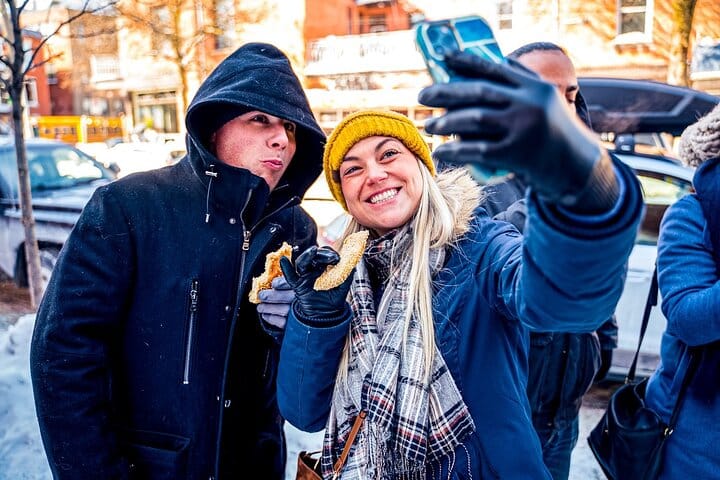
Montreal Bagel & Smoked Meat Tour: A Tasty Culinary Adventure
Get ready to embark on a mouthwatering journey through Montreal’s most legendary culinary treasures, where hand-rolled, wood-fired bagels and succulent smoked meat sandwiches will transport your taste buds to flavor paradise! This delicious adventure will take you through the city’s most iconic eateries, revealing why Montreal’s food scene is a true gastronomic wonderland that’ll have you craving every single bite.
Top 10 Montreal bagel and smoked meat tour Recommendations
- Montreal Walking Food Tour With Secret Food Tours
- Old Montreal Food & Drink Tour by Local Montreal Food Tours
- Montreal Mile End Original Foodie Tour – by Local Montreal Tours
- Jewish Neighborhood Food Tour
- Montreal Small Group Food Walking Tour
- Half Day Private Tour In Montreal With A Local
- Montreal Walking Tour: Hidden Gems
- Must See Montreal Walking Tour With A Local Host
- The Montreal Bagel tour
- Montreal Private Walking Food Tour With Secret Food Tours
Montreal: A City Where Culinary Traditions Dance on Your Taste Buds
Imagine a place where food isn’t just sustenance, but a vibrant cultural experience that tells stories through every delicious bite. Welcome to Montreal, a gastronomic wonderland where two iconic foods—bagels and smoked meat—have transformed simple ingredients into legendary local treasures.
This isn’t just another food tour; it’s a delectable journey through the heart of Quebec’s most delicious city. From the wood-fired ovens of Mile End to the bustling delis of the Plateau, Montreal offers a culinary adventure that goes far beyond ordinary eating. Each neighborhood whispers tales of immigrant traditions, family recipes, and generations of passionate food crafters.
The city’s food scene is a beautiful mosaic of flavors, where Jewish, French, and Canadian influences blend seamlessly. Here, a bagel isn’t just bread—it’s a hand-rolled, carefully crafted work of art. Smoked meat isn’t merely a sandwich filling; it’s a time-honored tradition that speaks to Montreal’s rich cultural heritage.
Prepare to embark on a mouthwatering exploration that will tantalize your senses and reveal why Montreal’s culinary landscape is unlike anywhere else in the world.
Discover Montreal’s Legendary Bagel Scene
Montreal’s bagel scene isn’t just about bread—it’s a cultural institution that sets this city apart from every other North American destination. Unlike their New York cousins, Montreal bagels are handcrafted treasures with a distinctive personality, baked in wood-fired ovens that transform simple ingredients into culinary magic.
St-Viateur and Fairmount: Bagel Bakery Legends
In the heart of Mile End, two legendary bakeries have been battling for bagel supremacy for decades. St-Viateur Bagel and Fairmount Bagel represent more than just bakeries—they’re living monuments to Montreal’s Jewish culinary heritage. Founded in 1957, St-Viateur has become an iconic destination where locals and tourists alike queue for their perfectly crafted rings of deliciousness.
Fairmount Bagel, established even earlier in 1919, offers a slightly different take on the classic Montreal bagel. Both bakeries share a commitment to traditional wood-fired baking methods, creating bagels that are simultaneously crispy on the outside and chewy on the inside. Their rivalry is friendly but fierce, with passionate fans defending their favorite bakery’s unique style.
The Art of Montreal-Style Bagel Making
Montreal bagels follow a meticulous process that distinguishes them from other North American styles. Each bagel is hand-rolled, dunked in honey-sweetened water, and then baked in a scorching wood-fired oven. This technique creates a distinctively sweet, dense bagel with a crisp exterior and soft interior.
The key differences? Montreal bagels are smaller, denser, and sweeter than their New York counterparts. They’re always hand-rolled and baked in wood-fired ovens, giving them a unique flavor profile that’s impossible to replicate with industrial baking methods. Whether you’re a bagel enthusiast or a curious traveler, experiencing these legendary Montreal bagels is an absolute must.
For those wanting to dive deeper into Montreal’s culinary landscape, consider exploring a Montreal Mile End Original Foodie Tour to discover more local food secrets.

Smoked Meat: A Montreal Culinary Tradition
Montreal’s culinary landscape is incomplete without its legendary smoked meat, a delicacy that has captured the hearts of food lovers for generations. This savory, tender beef brisket represents more than just a meal—it’s a cultural touchstone that reflects the city’s rich Jewish immigrant history. Traditionally prepared through a meticulous process of curing, seasoning, and smoking, Montreal smoked meat stands apart from other deli meats with its distinctive flavor and texture.
Schwartz’s Deli: The Smoked Meat Capital
Nestled in the heart of Montreal’s historic Mile End neighborhood, Schwartz’s Deli has become synonymous with world-class smoked meat. Founded in 1928 by Reuben Schwartz, a Jewish immigrant from Romania, this tiny restaurant has transformed from a humble local eatery to an international culinary landmark. Visitors often line up for hours to experience their legendary smoked meat sandwiches, which are generously stacked with hand-carved, perfectly seasoned beef.
The Jewish Neighborhood Food Tour offers food enthusiasts a chance to explore the rich culinary heritage behind these iconic dishes. Travelers can dive deep into the neighborhood’s gastronomic traditions while sampling authentic smoked meat and learning about its cultural significance.

How Montreal Smoked Meat Became a Culinary Icon
The origins of Montreal smoked meat trace back to Eastern European Jewish immigrants who brought their traditional meat-curing techniques to Canada in the late 19th and early 20th centuries. Unlike American pastrami, Montreal smoked meat uses a unique curing process that involves a longer marination in a special blend of spices. The result is a more robust, peppery flavor that has become a hallmark of Montreal’s culinary identity.
By the mid-20th century, smoked meat had transcended its immigrant roots to become a beloved city-wide delicacy. Delis like Schwartz’s transformed this humble immigrant food into a gastronomic phenomenon, attracting food lovers from around the world. Today, it represents not just a meal, but a celebration of Montreal’s multicultural heritage and culinary innovation.
For those eager to explore more of Montreal’s incredible food scene, check out our Montreal Food & Wine Tours: A Delicious Culinary Journey guide, which offers even more insights into the city’s mouth-watering traditions.
Planning Your Montreal Food Adventure
Crafting the perfect Montreal food adventure requires strategic planning and a hearty appetite. Unlike typical tourist experiences, exploring Montreal’s culinary landscape demands insider knowledge and a willingness to wander beyond traditional restaurant routes.
Start by mapping out key neighborhoods like Mile End, Plateau-Mont-Royal, and Old Montreal. These districts aren’t just geographical locations—they’re gastronomic treasure troves waiting to be discovered. Consider timing your visit during shoulder seasons like early fall or late spring when crowds are thinner and food experiences feel more intimate.
Best Food Tours in Montreal
Montreal offers several exceptional food tour experiences that transform casual eating into cultural exploration. The Montreal Walking Food Tour With Secret Food Tours stands out as a premier option for culinary enthusiasts. This guided experience takes participants through hidden gems and local favorites, offering authentic tastes of Montreal’s diverse food scene.

Other recommended tours include Fitz & Follwell’s neighborhood walking tours and LocalGuide Montreal’s specialized culinary experiences. Each tour provides unique perspectives on the city’s rich food culture, from traditional Quebecois dishes to contemporary fusion cuisine.
Tips for Exploring Culinary Neighborhoods
Navigating Montreal’s food neighborhoods requires more than just a good appetite. Research local etiquette and understand that each district has its own culinary personality. Mile End, for instance, blends Jewish and hipster cultures with incredible bagel and coffee scenes.
Pro tips for neighborhood exploration:
- Bring comfortable walking shoes
- Carry cash for smaller establishments
- Learn basic French phrases
- Be open to spontaneous food discoveries
For deeper context about Montreal’s urban landscape, check out the Old Montreal Tour: Discover the City’s Historic Heart & Soul for additional insights into the city’s cultural fabric.
Budget considerations matter too. While some tours range from $50-$100, self-guided explorations can be more economical. Consider purchasing a food passport or researching prix fixe menus to maximize your culinary adventure without breaking the bank.
Remember, Montreal’s food scene isn’t just about eating—it’s about experiencing culture through taste, texture, and tradition. Approach your culinary journey with curiosity and an open mind.
A Delicious Journey Through Montreal’s Culinary Landscape
Montreal’s food scene is more than just a collection of meals—it’s a vibrant tapestry of cultural heritage and delicious traditions. From the hand-rolled, wood-fired bagels of St-Viateur and Fairmount to the legendary smoked meat at Schwartz’s Deli, this culinary adventure reveals the heart of Quebec’s most iconic food experiences.
The city’s unique gastronomic offerings blend historical influences from Jewish, French, and Canadian cultures, creating something truly extraordinary. Each bite tells a story of immigration, family recipes, and generations of culinary craftsmanship. The Montreal-style bagel, slightly sweeter and denser than its New York cousin, and the perfectly seasoned smoked meat represent more than just food—they’re living memories of a community’s resilience and creativity.
Whether you’re a first-time visitor or a seasoned foodie, exploring these legendary eateries offers an authentic taste of Montreal’s soul. The bustling delis, the aroma of freshly baked bagels, and the rich, smoky flavors of carefully prepared meats create an unforgettable sensory experience that goes far beyond a simple meal.
For anyone planning a trip to Montreal, these culinary landmarks are not just recommended—they’re essential. They represent a delicious journey through the city’s rich cultural landscape, promising memories that will linger long after the last bite.