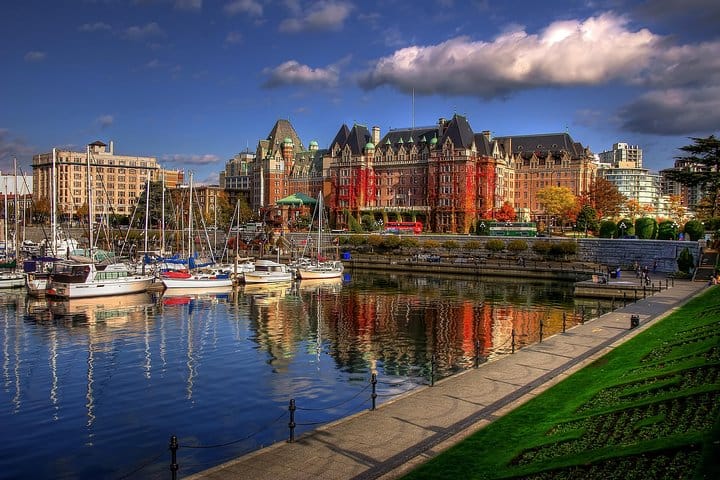
Victoria Food History Tour: A Delicious Journey Through Time
Get ready to tantalize your taste buds and travel back in time as we explore Victoria’s mouthwatering culinary heritage, from Indigenous traditional cooking to Gold Rush-era delicacies and modern foodie hotspots that tell the delicious story of this incredible city! Join us on a flavor-packed adventure that will transform how you see Victoria’s incredible food landscape and reveal the scrumptious secrets hidden in every delectable bite.
Top 10 victoria food history tour Recommendations
- Victoria Guided Food and History Tour
- Ghostly Walking Tour in Victoria
- Victoria Whale Watch Tour
- Historical Victoria Walking Tour
- Downtown Victoria Food & City Tour
- Hip & Hidden Chinatown + Old Town Food Tour Victoria
- The Signature Tour Victoria
- Exploring The Multicultural History of Victoria in a Walking Tour
- Essence of Victoria: Private Tour of Nature, History & Coast
- Victoria Vistas and Views Progressive Food Tour
Imagine a city where every bite tells a story, where culinary traditions dance across centuries, and flavors whisper tales of cultural transformation. Victoria, British Columbia, isn’t just a picturesque coastal destination—it’s a living cookbook of remarkable gastronomic experiences waiting to be savored.
From Indigenous seafood traditions to British colonial influences, and waves of multicultural immigration, Victoria’s food landscape is a vibrant mosaic of tastes, techniques, and treasured recipes. This delectable journey will transport you through time, revealing how geography, settlement patterns, and cultural exchanges have shaped the region’s extraordinary food heritage.
Our exploration will uncover hidden culinary gems, trace the evolution of local ingredients, and celebrate the diverse communities that have contributed to Victoria’s remarkable food story. We’ll discover how traditional ingredients like salmon, berries, and wild game transformed from survival staples to celebrated culinary art forms.
Whether you’re a food enthusiast, history buff, or curious traveler, this tour promises to tantalize your taste buds and expand your understanding of how Victoria’s cuisine reflects its rich, complex identity. Prepare to embark on a mouthwatering adventure that connects past and present through the universal language of food.
Ready to discover Victoria’s Culinary Heritage? Let’s dive into a world where every meal is a delicious chapter of history.
Discovering Victoria’s Culinary Heritage
Victoria’s food landscape is a vibrant tapestry woven from centuries of cultural interactions and geographical bounty. The region’s culinary story begins long before European settlement, with Indigenous peoples who masterfully understood the local ecosystem and its edible treasures.
From the Salish Sea’s rich marine resources to the lush Vancouver Island forests, traditional food practices created a complex and sustainable food culture. Salmon, locally harvested berries, and root vegetables formed the cornerstone of Indigenous diets, with sophisticated preservation techniques that ensured year-round nutrition.
Indigenous Food Traditions
First Nations communities like the Songhees and W̱SÁNEĆ peoples developed intricate food systems that respected environmental balance. Cedar-plank salmon cooking, clam harvesting, and sophisticated berry gathering techniques demonstrated profound ecological knowledge. Wild plants such as camas bulbs—a starchy, sweet root—were carefully cultivated and represented significant economic and cultural importance.
Traditional food preparation involved complex smoking, drying, and preserving methods that transformed seasonal harvests into nutritious staples. Families would gather during salmon runs, creating communal food preservation events that strengthened social bonds and ensured winter food security.
European Culinary Influences
European settlers brought dramatic culinary transformations, introducing wheat, dairy, and new cooking techniques. British influences particularly shaped Victoria’s food culture, with afternoon tea traditions and hearty meat-based dishes becoming prominent.
The Victoria Guided Food and History Tour offers fascinating insights into these cultural culinary intersections. Agricultural innovations from European settlers, combined with Indigenous knowledge, created unique regional food practices.

For those eager to explore more local food experiences, check out Victoria BC Food Tours: A Delicious Culinary Adventure for additional insights into Victoria’s rich gastronomic landscape.
Exploring Local Food Neighborhoods
Victoria’s food landscape is a vibrant tapestry of cultural influences and historic culinary traditions. Each neighborhood tells a unique gastronomic story, inviting food lovers to explore beyond typical tourist paths. From bustling market districts to charming heritage streets, the city offers an incredible array of tasty discoveries.
Chinatown’s Culinary Secrets
Nestled in the heart of Victoria, Chinatown represents more than just a historic district—it’s a living, breathing culinary destination. Established in the late 1800s, this compact neighborhood preserves generations of Chinese-Canadian food traditions. Narrow alleys like Fan Tan Alley showcase traditional herbal shops, dim sum restaurants, and family-owned bakeries that have served the community for decades.
Local delicacies like barbecue pork buns, hand-pulled noodles, and authentic bubble tea reflect the rich cultural heritage. Visitors can explore Victoria BC Walking Tours to understand the neighborhood’s intricate history while sampling incredible cuisine.
Downtown Victoria’s Flavor Trail
Downtown Victoria transforms culinary exploration into an immersive experience. The Hip & Hidden Chinatown + Old Town Food Tour Victoria offers an incredible way to discover local flavors. Local restaurants and cafes showcase Vancouver Island’s incredible produce, featuring fresh seafood, artisan cheeses, and farm-to-table ingredients.

Highlights include the historic Market Square, where local vendors sell everything from organic produce to handcrafted preserves. Craft breweries and boutique coffee roasters dot the landscape, offering unique tasting experiences that capture Victoria’s innovative culinary spirit. For more regional food insights, check out Victoria Food Tours: A Tasty Journey Through Local Flavors.
Each neighborhood presents a delicious chapter in Victoria’s ongoing culinary story, inviting visitors to taste, explore, and connect with local food traditions.
Tasting Victoria’s Seasonal Flavors
Victoria’s culinary landscape transforms with each passing season, offering a vibrant tapestry of flavors that reflect the region’s rich agricultural heritage. From crisp spring greens to hearty autumn harvests, local chefs and food artisans craft extraordinary dining experiences that capture the essence of Vancouver Island’s bountiful ecosystem.
Farm-to-Table Experiences
The farm-to-table movement thrives in Victoria, with passionate local farmers and restaurateurs creating deep connections between land and plate. Small-scale farms like Saanich Organics and Sea Bluff Farm supply fresh, seasonal ingredients to restaurants that prioritize local sourcing. Visitors can explore this culinary philosophy through Victoria Vistas and Views Progressive Food Tour, which showcases the region’s most innovative farm-to-table establishments.

Summer brings an explosion of colorful produce, with roadside stands and farmers’ markets bursting with just-picked berries, crisp vegetables, and aromatic herbs. Chefs like Robert Cassels from Fol Epi bakery and restaurant collaborate directly with local producers, transforming seasonal harvests into culinary masterpieces that tell the story of Vancouver Island’s agricultural landscape.
Local Seafood and Produce
Vancouver Island’s coastal location provides an unparalleled seafood experience that changes with marine rhythms. Dungeness crab, wild salmon, and spot prawns represent just a fraction of the ocean’s bounty. Local fishers like those from Finest at Sea work closely with restaurants to deliver ultra-fresh catches that reflect the day’s maritime conditions.
Indigenous fishing techniques and sustainable harvesting practices ensure the region’s marine ecosystems remain healthy and productive. From the rocky shores of Sidney to the protected inlets near Victoria, seafood represents more than just a meal—it’s a connection to generations of maritime tradition that continues to shape the island’s culinary identity.
Seasonal variations bring unique flavors: spring’s tender halibut, summer’s rich salmon runs, autumn’s hearty lingcod, and winter’s delicate oysters. Each ingredient tells a story of place, tradition, and the remarkable ecosystems that sustain Vancouver Island’s extraordinary food culture.
A Tasty Trip Through Victoria’s Culinary Landscape
Our delectable journey through Victoria’s food history reveals more than just flavors—it tells the story of a community shaped by diverse cultures, innovative settlers, and rich agricultural traditions. From the Indigenous fishing practices along the coastline to the multicultural influences that transformed local cuisine, each bite connects us to a deeper narrative of survival, adaptation, and creativity.
The tour highlighted how Victoria’s food landscape reflects its complex historical tapestry. Indigenous ingredients like camas bulbs and salmon, combined with European farming techniques and Asian culinary traditions, created a unique gastronomic identity. The Chinatown restaurants, Hudson’s Bay Company trading posts, and local farmers’ markets all represent different chapters in this ongoing culinary story.
What becomes crystal clear is that food is never just about sustenance—it’s a living museum of cultural exchange. Each recipe carries whispers of migration, resilience, and community. The salmon prepared using traditional Coast Salish techniques, the dim sum in historic Fan Tan Alley, and the farm-to-table restaurants downtown all contribute to Victoria’s remarkable food heritage.
For anyone passionate about understanding a place through its cuisine, Victoria offers an extraordinary window into how food shapes and reflects cultural identity. The city’s culinary journey continues, promising even more delicious discoveries for future generations to explore and savor.