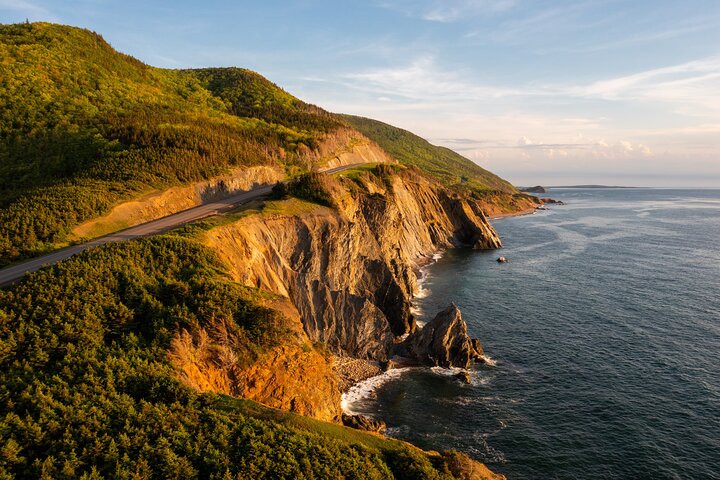
Cape Breton Gaelic Heritage: A Cultural Journey Through Time
Imagine stepping into a vibrant world where ancient Gaelic traditions dance through misty highlands and warm community gatherings, where every fiddle note and spoken word carries the heartbeat of generations past! Cape Breton’s rich Scottish heritage is a living, breathing tapestry that weaves together language, music, and spirit in a way that will absolutely captivate your imagination and transport you to a truly magical cultural landscape.
Top 5 cape breton Gaelic heritage cultural tour Recommendations
Cape Breton Island whispers stories of ancient Celtic traditions, where emerald landscapes and rolling waves echo with the rhythmic sounds of Gaelic language and music. Nestled off Nova Scotia’s rugged coastline, this remarkable island represents one of North America’s most vibrant Gaelic cultural preserves, holding generations of Scottish immigrant heritage within its misty valleys and welcoming communities.
Imagine a place where bagpipes still sing traditional melodies, where elders share stories passed down through centuries, and where a living language continues to breathe and evolve. Cape Breton isn’t just a geographical location—it’s a living, breathing cultural sanctuary that has carefully maintained its Scottish Highland roots despite tremendous historical challenges.
The island’s Gaelic heritage isn’t a dusty museum exhibit but a dynamic, ongoing celebration of identity. From traditional music festivals to language immersion programs, Cape Breton demonstrates how cultural preservation can be both deeply respectful of the past and vibrantly alive in the present. Generations of Scottish immigrants who arrived in the 18th and 19th centuries transformed this landscape, bringing with them not just their belongings, but entire worlds of tradition, language, and community spirit.
As we prepare to explore Cape Breton’s Gaelic roots, we’ll journey through a rich tapestry of history, uncovering how this small island became a global beacon of Celtic cultural continuity. Our exploration will reveal the remarkable resilience of a community that has kept its cultural flame burning bright across generations.
Exploring Cape Breton’s Gaelic Roots
Cape Breton Island stands as a remarkable sanctuary of Gaelic culture, preserving traditions that have survived centuries of migration and cultural transformation. The island’s landscape whispers stories of Scottish Highland settlers who arrived in the late 18th and early 19th centuries, bringing with them a rich cultural heritage that continues to thrive today.
Visitors can trace these deep cultural roots through remarkable museums and cultural centers scattered across the island. The Bell Museum to Highland Village Museum offers an immersive journey into the island’s Scottish immigrant experience, showcasing authentic historical buildings and living interpretations of traditional life.

The Living Language of Gaelic
Gaelic is more than just a language in Cape Breton—it’s a living, breathing connection to ancestral roots. Despite nearly disappearing in the mid-20th century, dedicated community efforts have sparked a remarkable linguistic revival. Local schools now offer Gaelic language programs, and community centers host weekly language classes that attract both young learners and older generations eager to reconnect with their heritage.
The Gaelic language preservation movement has been particularly strong in communities like Mabou and Inverness, where native speakers work alongside linguists to document and teach traditional dialect variations. These efforts ensure that the nuanced sounds and grammatical structures of Highland Gaelic continue to echo through Cape Breton’s valleys and coastal regions.
Musical Traditions and Celtic Connections
Music represents the heartbeat of Cape Breton’s Gaelic culture, with fiddle traditions that directly link contemporary performers to their Scottish ancestors. Traditional céilidh gatherings—lively social events featuring music and dance—continue to draw community members and visitors alike, creating a vibrant cultural experience that transcends generations.
Local musicians like Ashley MacIsaac and the Rankin Family have brought Cape Breton’s distinctive musical style to international audiences, showcasing intricate fiddle techniques and powerful vocal traditions that reflect the island’s deep Celtic roots. These musical expressions serve not just as entertainment, but as a profound method of cultural preservation and storytelling.
For those interested in deeper cultural explorations, the Canadian Cultural Tours: Discover the Heart of Canada’s Heritage offers additional insights into the rich tapestry of Canadian cultural experiences.
Immersive Gaelic Cultural Experiences
Cape Breton offers visitors extraordinary opportunities to dive deep into living Gaelic traditions. Beyond simply observing, travelers can actively participate in authentic cultural experiences that bring centuries-old heritage to vibrant life. The island’s commitment to preserving Gaelic language and customs creates immersive encounters unlike anywhere else in North America.
Traditional Music and Dance Workshops
Musicians and dance enthusiasts will discover incredible learning opportunities throughout Cape Breton. The Gaelic College of Celtic Arts and Crafts in St. Ann’s stands as a premier destination for traditional skill development. Here, visitors can join intensive workshops exploring traditional step dancing, fiddle techniques, and Gaelic language instruction.
Weekend and week-long programs attract participants from around the world, offering hands-on experiences with master artists. Skilled instructors guide students through intricate dance steps, teaching not just movements but the cultural context behind each performance. Participants learn about historical connections between music, dance, and community traditions that have sustained Cape Breton’s unique cultural identity.
Historical Sites and Cultural Centers
Cape Breton’s landscape is dotted with remarkable sites that tell the story of Gaelic settlement. The Cabot Trail and St. Ann’s Loop 4 Hours Scenic Tour provides an exceptional opportunity to explore these historically significant locations. Visitors can explore museums, heritage centers, and restored historical sites that showcase the immigrant experience.

The Highland Village Museum in Iona represents a particularly remarkable destination. This living history museum recreates 19th-century Gaelic settlement environments, allowing guests to walk through reconstructed buildings and experience daily life as early settlers knew it. Costumed interpreters demonstrate traditional crafts, agricultural practices, and cultural traditions, creating an immersive educational experience.
For those wanting to explore further cultural connections, Cape Breton Cabot Trail Tour: Your Ultimate Scenic Adventure offers additional insights into the region’s rich historical landscape. Each site and experience provides a window into the resilient Gaelic community that has preserved its heritage with remarkable dedication.
Planning Your Gaelic Heritage Adventure
Embarking on a Gaelic heritage journey through Cape Breton requires thoughtful preparation and a spirit of cultural exploration. Travelers seeking an authentic experience will want to pack comfortable walking shoes, layers for unpredictable maritime weather, and a curious mind ready to absorb generations of rich storytelling traditions.
Best Times to Visit
Summer and early autumn offer the most welcoming conditions for exploring Cape Breton’s Gaelic landscape. From June to September, temperatures hover between 15-25°C, providing ideal conditions for outdoor adventures. The Shore Excursion of The Cabot Trail in Cape Breton becomes particularly magical during these months, with vibrant landscapes and minimal tourist crowds.

Peak festival season occurs in July and August, when traditional music gatherings and cultural celebrations fill local communities. Visitors should book accommodations well in advance, as these months attract heritage enthusiasts from around the world. Consider timing your visit to coincide with events like the Celtic Colours International Festival in October, which transforms the island into a living museum of Gaelic culture.
Cultural Tour Recommendations
Navigating Cape Breton’s Gaelic heritage requires more than casual sightseeing. Specialized tours like Ontario Cultural Tours: Discover Canada’s Rich Heritage can provide valuable context for understanding regional cultural nuances.
Recommended experiences include:
- Guided walking tours in Gaelic-speaking communities
- Traditional music workshops
- Language immersion programs
- Visits to historical interpretation centers
- Storytelling sessions with local elders
Each tour offers a unique window into the living traditions that have sustained Cape Breton’s distinctive cultural identity through generations. Travelers should prioritize experiences that offer genuine interaction with local community members, ensuring a deeper, more meaningful connection to Gaelic heritage.
Preserving a Living Legacy
Cape Breton’s Gaelic heritage represents more than just historical artifacts and dusty memories. It’s a vibrant, breathing culture that continues to pulse through the island’s communities, music, and language. From the resonant sounds of traditional Gaelic songs to the intricate steps of Celtic dance, this remarkable cultural landscape tells a story of resilience, connection, and profound cultural pride.
The journey through Cape Breton’s Gaelic roots reveals a complex tapestry of immigrant experiences, linguistic preservation, and community strength. Visitors and locals alike can witness how generations have carefully maintained their ancestral traditions, transforming what could have been a fading memory into a dynamic, living cultural expression.
Key moments in this cultural exploration highlight the incredible efforts of language preservation societies, traditional music schools, and community organizations dedicated to keeping Gaelic traditions alive. The Gaelic College in St. Ann’s, community festivals, and ongoing language programs demonstrate a commitment that goes far beyond simple historical remembrance.
For those curious about cultural heritage, Cape Breton offers a unique window into how immigrant communities can maintain their identity while becoming integral parts of a broader Canadian narrative. The Gaelic spirit here is not about looking backward, but about creating continuous connections between past and present.
As the sun sets over the rolling highlands and the soft Gaelic language whispers through community halls and family gatherings, one thing becomes beautifully clear: this is not just a culture preserved, but a culture that continues to breathe, grow, and inspire.