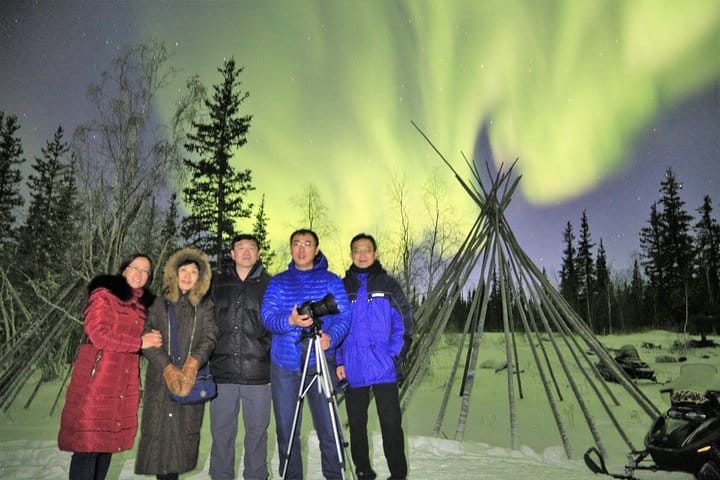
Northern Lights Adventure: Your Dream Canadian Vacation Guide
Get ready to chase the most mesmerizing light show on Earth as we dive into the ultimate guide for experiencing the breathtaking Northern Lights across Canada’s stunning wilderness! From the snow-dusted landscapes of the Yukon to the magical skies of Alberta, this adventure will transform your travel dreams into an unforgettable, aurora-filled reality.
Top 3 vacation to see northern lights Recommendations
Canada’s northern skies pulse with magic, transforming ordinary landscapes into extraordinary canvases of dancing emerald and violet light. Imagine standing beneath nature’s most spectacular light show, where celestial ribbons weave intricate patterns across star-studded darkness—a spectacle that has captivated dreamers and adventurers for generations.
The Northern Lights, or Aurora Borealis, represent more than just a stunning visual phenomenon; they’re a transformative experience that connects travelers with the raw, untamed beauty of Canada’s wilderness. From the rugged Yukon territories to the pristine landscapes of Northwest Territories, these luminous displays offer an unparalleled journey into natural wonder.
This guide isn’t just another travel manual—it’s your passport to crafting an unforgettable Arctic adventure. Whether you’re a seasoned explorer or a first-time traveler chasing celestial dreams, we’ll walk you through everything you need to know about witnessing one of the world’s most breathtaking natural phenomena.
What makes a Northern Lights vacation truly extraordinary? It’s not just about seeing the lights—it’s about immersing yourself in an experience that will reshape your understanding of natural beauty. You’ll discover insider tips on timing, location selection, photography techniques, and cultural experiences that transform a simple trip into a lifetime memory.
As we dive into “Planning Your Perfect Northern Lights Vacation,” get ready to unlock the secrets of Canada’s most mesmerizing natural spectacle. Your Arctic journey begins here—where science, wonder, and adventure converge under the most magnificent sky on Earth.
Planning Your Perfect Northern Lights Vacation
Embarking on a Northern Lights adventure requires careful preparation and strategic planning. Your dream Canadian aurora experience hinges on multiple crucial factors that can transform a good trip into an extraordinary memory.
Best Time to Witness the Aurora Borealis
The magic of the Northern Lights typically unfolds between late August and mid-April, with peak visibility during the coldest, darkest months. Winter’s extended nights provide the optimal canvas for nature’s most spectacular light show. Peak viewing periods occur between 10 PM and 2 AM, when solar activity and darkness align perfectly.
Temperature and solar activity play critical roles in aurora visibility. Temperatures often plunge to -20°C or lower, so packing extreme cold-weather gear isn’t just recommended—it’s essential. Thermal layers, insulated boots, windproof outer shells, and high-quality gloves become your best companions in these chilly environments.
Top Canadian Destinations for Northern Lights
Yellowknife stands out as a premier aurora-viewing destination. The Northwest Territories’ capital offers exceptional viewing conditions, with clear skies and minimal light pollution creating perfect aurora-watching environments.
For those seeking an immersive experience, the Northern Lights Tour Yellowknife provides guided expeditions that maximize your chances of witnessing this celestial phenomenon.

Other remarkable locations include:
- Whitehorse, Yukon
- Churchill, Manitoba
- Iqaluit, Nunavut
Each destination offers unique viewing experiences, from remote wilderness settings to more accessible locations near comfortable accommodations.
For more in-depth insights, check out our related reading: Best Spots to See Northern Lights in Canada: Ultimate Guide.
Pro tip: Book your trip during solar maximum periods, when aurora activity intensifies, typically occurring every 11 years. The next peak is expected around 2024-2025, presenting an extraordinary opportunity for aurora enthusiasts.
Preparation is key. Research local tour operators, understand weather patterns, and pack appropriate gear to ensure an unforgettable Northern Lights adventure across Canada’s breathtaking landscapes.
What to Pack and Prepare for Your Northern Lights Adventure
Planning a Northern Lights adventure requires strategic preparation and the right equipment. Canada’s northern territories demand careful consideration of clothing, gear, and personal comfort to ensure an unforgettable experience.
Your packing list should prioritize warmth and functionality. Layering is crucial in temperatures that can plummet to -30°C or lower. Start with thermal base layers made from moisture-wicking materials like merino wool, which provide exceptional insulation without bulk. Mid-layers of fleece or down will trap heat, while a waterproof, windproof outer shell protects against harsh Arctic conditions.
Essential Winter Gear for Aurora Viewing
Winter survival in Canada’s northern regions means investing in high-quality cold-weather clothing. Opt for extreme-temperature rated snow pants, insulated boots with thick wool socks, and multiple-layer gloves. Mittens with removable inner liners work best for maintaining finger dexterity while photographing the Northern Lights and Huskies tour experiences.

Recommended gear includes:
- Expedition-grade winter jacket
- Thermal snow pants
- Insulated winter boots rated to -40°C
- Moisture-wicking base layers
- Thick wool socks
- Insulated, waterproof gloves
- Neck gaiter or balaclava
- Hand and foot warmers
Photography Tips for Capturing the Lights
Photographing the aurora requires specialized equipment and techniques. A sturdy tripod is non-negotiable for long-exposure shots. Choose a camera with manual settings and excellent low-light performance, preferably a DSLR or mirrorless model. Wide-angle lenses with large apertures (f/2.8 or wider) capture more light and broader sky perspectives.
Technical settings for aurora photography:
- Manual focus
- High ISO (1600-3200)
- Wide aperture (f/2.8)
- Long exposure (5-30 seconds)
- Use remote shutter release or timer
For those wanting to dive deeper into aurora chasing, Northern Lights in Canada: Magical Winter Tours for Adventure Seekers offers additional insights into planning the perfect expedition.
Choosing the Right Northern Lights Tour
Selecting the perfect Northern Lights Tours can transform your Canadian adventure from ordinary to extraordinary. The northern sky’s magical dance requires careful planning and strategic choices to maximize your viewing potential.

Guided Tours vs. Independent Travel
Navigating the world of aurora hunting involves weighing the pros and cons of guided experiences versus independent exploration. Guided tours offer professional expertise, specialized transportation, and insider knowledge about prime viewing locations. Experienced guides understand complex weather patterns and astronomical conditions that dramatically improve your chances of witnessing the spectacular light show.
Independent travelers, however, might appreciate more flexibility and potential cost savings. Renting a vehicle and researching local conditions can provide a more personalized experience. The trade-off involves significant research and potentially less reliable viewing opportunities. For first-time aurora chasers, a professional guided tour often provides the most reliable and stress-free approach.
What to Expect on a Northern Lights Expedition
A typical Northern Lights expedition combines adventure, education, and natural wonder. Most tours operate during peak viewing months between late August and mid-April, when darkness provides optimal conditions. Professional tours typically include transportation to remote, dark-sky locations, warm shelters, and photography assistance.
Expect temperatures to range from -10°C to -30°C, requiring extensive winter gear and layers. Most expeditions last between 3-6 hours, with guides positioning groups at strategic viewing points. Some tours offer additional experiences like traditional Indigenous storytelling, hot beverages, and comfortable warming stations to enhance the overall adventure.
Photographers will appreciate specialized equipment recommendations and techniques for capturing the aurora’s ethereal movements. Professional guides often provide camera settings and composition tips to help travelers document their once-in-a-lifetime experience.
Your Northern Lights Journey Awaits
Witnessing the aurora borealis is more than just a vacation—it’s a transformative experience that connects you with the raw, magical beauty of Canada’s northern landscapes. From understanding the best viewing locations in Yukon, Northwest Territories, and Alberta to preparing the right gear and choosing optimal travel seasons, your dream of dancing lights becomes an achievable adventure.
Final Thoughts
The northern lights aren’t just a natural phenomenon; they’re a breathtaking canvas of color and movement that transforms the night sky into a living artwork. Whether you’re a passionate photographer, a nature enthusiast, or someone seeking a once-in-a-lifetime experience, Canada’s northern regions offer an unparalleled journey.
Remember that successful aurora viewing requires patience, preparation, and a sense of wonder. Each night under the starry Canadian sky brings unique possibilities—no two displays are ever identical. By researching locations, understanding weather patterns, and packing appropriately, you’ll maximize your chances of witnessing this extraordinary spectacle.
Quick Preparation Checklist
- Warm, layered clothing
- Professional or sturdy camera equipment
- Flexible travel dates
- Northern region accommodation booked
- Basic understanding of aurora forecasting
Your northern lights adventure promises memories that will last a lifetime. The ethereal dance of green, purple, and blue lights against the midnight sky isn’t just a visual experience—it’s a profound connection with our planet’s most stunning natural display.