Northern Lights Magic: Your Ultimate Canadian Adventure Guide
Get ready to chase the most mesmerizing light show on Earth across Canada’s breathtaking wilderness, where emerald and violet ribbons dance across starry skies and create memories that will make your Instagram followers swoon with envy! From the Yukon’s pristine landscapes to the remote corners of Manitoba, this guide will unlock the secrets to experiencing the Northern Lights in all their spectacular, jaw-dropping glory.
Top 1 best northern lights Recommendations
Canada’s wilderness whispers ancient stories of dancing lights and untamed landscapes, where the sky transforms into a canvas of emerald, violet, and sapphire. Imagine standing beneath a celestial performance that has captivated Indigenous cultures for thousands of years—the mesmerizing Northern Lights, or Aurora Borealis, painting the night with ethereal magic.
This isn’t just another travel guide. It’s your passport to experiencing one of nature’s most breathtaking spectacles across Canada’s diverse northern territories. From the rugged Yukon to the pristine landscapes of Northwest Territories, each region offers a unique window into this extraordinary phenomenon that has sparked wonder in explorers and dreamers for generations.
Whether you’re a seasoned adventurer or a curious first-time traveler, this guide will unlock the secrets of witnessing the Aurora’s hypnotic dance. You’ll discover not just where and when to see these luminous curtains of light, but also the rich cultural stories and scientific wonders behind their otherworldly display.
Our journey begins by understanding the Northern Lights phenomenon—a complex interplay of solar winds, Earth’s magnetic field, and atmospheric chemistry that creates one of the most stunning natural light shows on our planet. Get ready to transform your travel dreams into an unforgettable Canadian adventure that will forever change how you see the night sky.
Understanding the Northern Lights Phenomenon
The dancing ribbons of light that streak across Canada’s northern skies aren’t just a visual spectacle—they’re a complex celestial phenomenon rooted in solar physics and Earth’s magnetic field. At its core, the aurora borealis represents an extraordinary interaction between charged particles from the sun and our planet’s protective magnetic shield.
What Makes the Aurora Borealis So Special
Imagine a cosmic ballet where solar winds carry electrically charged particles millions of kilometers across space, colliding with atmospheric gases high above the Earth’s surface. These microscopic interactions create breathtaking light displays that can stretch hundreds of kilometers across the night sky.
Different atmospheric gases produce unique color variations: oxygen generates stunning green and red hues, while nitrogen creates mesmerizing blue and purple tones. The result is a dynamic, ever-changing canvas that transforms the darkness into a living, breathing artwork. Indigenous communities across Canada have long revered these lights as spiritual manifestations, weaving rich cultural narratives around their mysterious appearance.
Best Times and Conditions to See the Lights
Timing is everything when hunting the aurora borealis. The prime viewing season spans from late August to mid-April, with peak visibility during the coldest, darkest months between December and March. Ideal conditions require minimal light pollution, clear skies, and solar activity.
Northern territories like Yukon, Northwest Territories, and Nunavut offer exceptional viewing opportunities. Yellowknife Northern Lights Tour operators recommend watching during solar maximum periods when magnetic storm frequencies increase dramatically.

Pro tip: Check aurora forecast websites and plan your trip during new moon phases for maximum darkness and visibility. Temperatures can plummet to -30°C, so dress in multiple insulating layers and prepare for an unforgettable celestial experience.
Top Canadian Destinations for Northern Lights
Canada offers some of the world’s most spectacular aurora viewing experiences, with several regions providing front-row seats to nature’s most mesmerizing light show. From remote wilderness to accessible northern communities, the country’s northern territories present unparalleled opportunities for witnessing the dancing lights.
Yellowknife: The Aurora Capital of North America
Nestled in the Northwest Territories, Yellowknife stands as the undisputed champion of northern lights viewing. With over 240 aurora nights per year, this small city offers an extraordinary chance to witness the most vibrant celestial displays. The clear, dark skies and minimal light pollution create perfect conditions for aurora hunters.
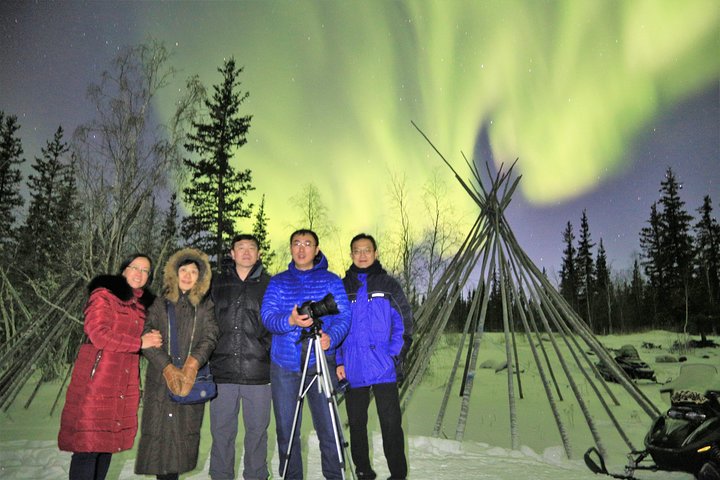
The Northern Lights Tour Yellowknife provides an exceptional opportunity to experience this natural wonder. Specialized tours take visitors to prime viewing locations just outside the city, where professional guides help maximize aurora viewing potential. Photographers and nature enthusiasts will find Yellowknife particularly appealing, with its unique combination of accessibility and pristine wilderness.
Other Must-Visit Northern Lights Locations
While Yellowknife shines bright, several other Canadian destinations offer remarkable aurora experiences:
- Whitehorse, Yukon: Known for its stunning winter landscapes and frequent aurora displays. The city’s location within the auroral oval makes it a prime viewing spot.
- Churchill, Manitoba: Famous for polar bears, this northern community also offers incredible northern lights viewing. Its unique geographical position provides spectacular aurora visibility.
- Iqaluit, Nunavut: A remote destination offering truly authentic arctic aurora experiences. The expansive tundra landscape creates an unobstructed canvas for nature’s light show.
- Jasper National Park, Alberta: A dark sky preserve that offers not just incredible aurora viewing but also a stunning mountain backdrop. Winter months provide the most consistent displays.
Each location offers unique characteristics, from accessibility to landscape diversity. Best Places to Watch Northern Lights in Canada: Ultimate Guide can provide additional insights for aurora enthusiasts planning their Canadian adventure.
Pro tip: The best viewing times typically occur between late August and mid-April, with peak visibility during the coldest, darkest months. Always check local weather conditions and aurora forecasts before planning your expedition.
Planning Your Northern Lights Adventure
Chasing the aurora borealis requires strategic planning and a dash of adventurous spirit. Timing is everything when hunting these celestial dancers across Canada’s northern territories. The prime viewing season typically spans from late August to mid-April, with peak visibility occurring during the coldest, darkest months between December and March.
Selecting the right destination can make or break your Northern Lights experience. Yellowknife in the Northwest Territories consistently ranks as a top aurora-watching location, boasting over 240 nights of potential aurora visibility annually. Other remarkable spots include the Yukon’s remote wilderness and certain areas of northern Manitoba.
Budget considerations are crucial. While DIY trips offer flexibility, organized Northern Lights Tour Yellowknife packages provide expert guidance and increased chances of spectacular sightings. Expect to invest between $200-$500 per person for guided experiences, with multi-night tours offering the best opportunities.
Essential Gear and Preparation
Arctic temperatures demand serious preparation. Layering is your primary defense against bone-chilling cold. Start with a moisture-wicking base layer, add an insulating mid-layer like fleece or wool, and top with a windproof, waterproof outer shell. Thermal underwear, thick wool socks, insulated snow boots, and extreme-weather gloves are non-negotiable.
Pack hand and foot warmers, a reliable headlamp with extra batteries, and a thermos for hot beverages. Consider bringing a portable battery pack to keep electronic devices functioning in freezing conditions. Pro tip: Keep camera batteries close to your body to preserve their charge in extreme cold.
Photography Tips for Capturing the Lights
Photographing the Northern Lights requires specialized equipment and technique. A camera with manual settings is essential—DSLR or mirrorless cameras work best. Use a wide-angle lens with a large aperture (f/2.8 or wider), and bring a sturdy tripod to minimize camera shake during long exposures.
Set your camera to manual mode with these baseline settings: ISO between 800-3200, aperture at f/2.8, and shutter speed around 5-15 seconds. Experiment and adjust based on light conditions. Shoot in RAW format for maximum post-processing flexibility. For related reading on capturing aurora magic, explore specialized photography guides that dive deeper into aurora photography techniques.
Embracing the Aurora’s Enchantment: Your Northern Lights Journey Awaits
The Canadian aurora borealis represents more than just a celestial display—it’s a breathtaking natural phenomenon that connects travelers with the raw, untamed beauty of the northern wilderness. From the remote landscapes of Yukon to the pristine territories of Northwest Territories, each region offers a unique window into this mesmerizing light show.
Your Northern Lights Adventure: A Final Reflection
Chasing the aurora requires patience, preparation, and a sense of wonder. Whether you choose the accessible viewing spots near Yellowknife or venture into the more challenging terrains of Nunavut, your journey will be defined by moments of pure, unadulterated magic. The dancing green and purple ribbons across the night sky aren’t just a visual spectacle—they’re a profound reminder of our planet’s extraordinary natural rhythms.
Key takeaways from our exploration include:
- Understanding the best viewing seasons
- Selecting appropriate cold-weather gear
- Choosing optimal geographic locations
- Preparing photography equipment
- Respecting indigenous territories and local cultures
Remember that witnessing the northern lights is never guaranteed, but the adventure itself—the crisp Arctic air, the silent wilderness, the anticipation—becomes an unforgettable experience. Each traveler’s aurora story is unique, shaped by timing, location, and personal perspective.
As winter approaches and solar activity increases, the Canadian north beckons. Pack your warmest layers, charge your camera batteries, and prepare for a journey that transcends typical travel experiences. The aurora awaits, promising moments of wonder that will forever illuminate your memories.